Reading the Pitch: Why the Surface Shapes Every Cricket Match
A guide to how pitch conditions influence bowling, batting and team selection long before a ball is bowled in a cricket match.

The strip that decides the story
In most sports, the playing surface is a constant. A football pitch in one city behaves much like one in another, and a basketball court doesn't change character over the course of a game. Cricket is different.
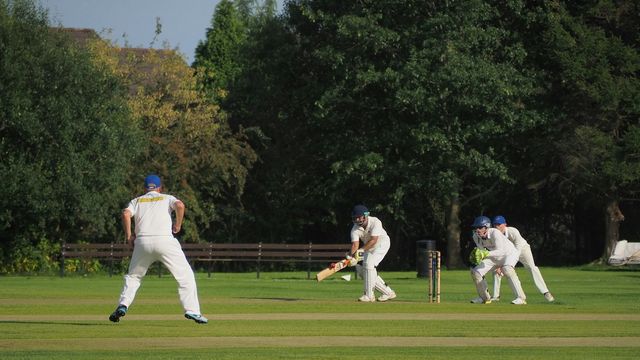
The 22-yard strip of soil at the centre of the ground, known simply as the pitch, is treated almost like a living character in the match, and its condition can decide whether bowlers or batters have the upper hand on a given day.
Understanding pitches isn't just trivia for commentators. It explains team selection, the tone of the first hour of play, and why a total that looks modest on paper can turn out to be more than enough.
What a pitch is actually made of
A cricket pitch is prepared from a mix of soil, usually a clay-heavy composition that holds together well, rolled flat and covered with a layer of grass that groundstaff trim to a specific length. The amount of moisture in the soil, how much grass is left on top, and how firmly the surface has been rolled all combine to determine how the ball will behave once play begins.
Groundstaff typically begin preparing a pitch days in advance, watering and rolling it repeatedly to build a surface with the right balance of hardness and grass cover for the conditions the home team wants. This is one of the few areas of the sport where the host ground has real influence over how a contest is likely to unfold.
Reading a pitch for pace and bounce
A hard, dry pitch with grass rolled down tight tends to produce a consistent, true bounce, which usually favours batters since they can predict how the ball will come onto the bat. Bowlers on such surfaces often have to rely on skill, seam position, and clever changes of pace rather than expecting much natural assistance from the pitch itself.
A pitch with more grass left on the surface, sometimes called a green top, tends to help fast bowlers extract extra bounce and lateral movement off the seam, particularly early in a match before the grass wears away. This is why fielding captains sometimes choose to bowl first upon winning the toss when they inspect a grassier surface, hoping to exploit those conditions before they fade.
How pitches change over time
One of the most fascinating aspects of longer cricket formats is that a pitch doesn't stay the same for the whole match. Over the course of several days, moisture evaporates, the surface dries out, and small cracks can develop, especially in hotter climates. As those cracks widen, the pitch can start to break up, causing the ball to grip the surface unevenly and turn more sharply for spin bowlers.
This is why the timing of a chase can matter as much as the size of the target. A team batting last on a worn, cracked pitch on the final day of a Test often faces a tougher challenge than a team that batted first on a fresher surface, even if the pitch looked identical to the naked eye before a ball was bowled.
Regional pitch character
Pitches vary considerably around the cricketing world, largely due to differences in soil composition and climate.
- Surfaces in parts of Australia and South Africa have traditionally offered more pace and bounce, rewarding fast, aggressive bowling.
- Pitches on the Indian subcontinent are often drier and tend to assist spin bowlers more, particularly as a match wears on.
- English conditions, with typically higher humidity and overcast skies, can help the ball swing more in the air, giving an advantage to bowlers skilled in seam and swing.
None of these tendencies are absolute rules, since groundstaff preparation, weather in a specific week, and even the specific ground within a city can all shift the balance, but the broad regional patterns are well known to players and selectors alike.
Why the toss still matters
Because conditions can favour one discipline over another, winning the coin toss and choosing whether to bat or field first remains a meaningful advantage in cricket, even though its impact has been debated for decades.
A captain reading a fresh, grassy pitch might choose to bowl first, while a captain looking at a dry surface expected to deteriorate might prefer to bat first and set a target before conditions turn tricky.
What to watch for as a fan
Next time you watch a match, pay attention to the pitch report before play begins, look at how much grass is visible, and notice whether commentators mention cracks or dryness. These small details, combined with the weather forecast for the days ahead, often explain far more about how a match will unfold than the team sheets alone.
Article Was Generated By AI.