Reading an NFL Depth Chart: What Each Position Actually Does
A practical walkthrough of NFL depth charts and what each listed position actually does on the field, for fans who want the fog to lift.
What a Depth Chart Actually Shows
A depth chart is simply a team's roster organized by position, listing players in order of who would play first, second, and third at each spot if a starter were unavailable.
Teams publish these primarily for practical reasons — media, opponents preparing scouting reports, and broadcasters all use them — but for a fan they are also one of the clearest windows into how a team is actually built and where its questions lie.
Reading one well means understanding not just names but what each role is asked to do, since the same position label can mean different things depending on a team's scheme. A depth chart is typically split into offense, defense, and special teams, each with its own logic.
Offense: Moving the Ball
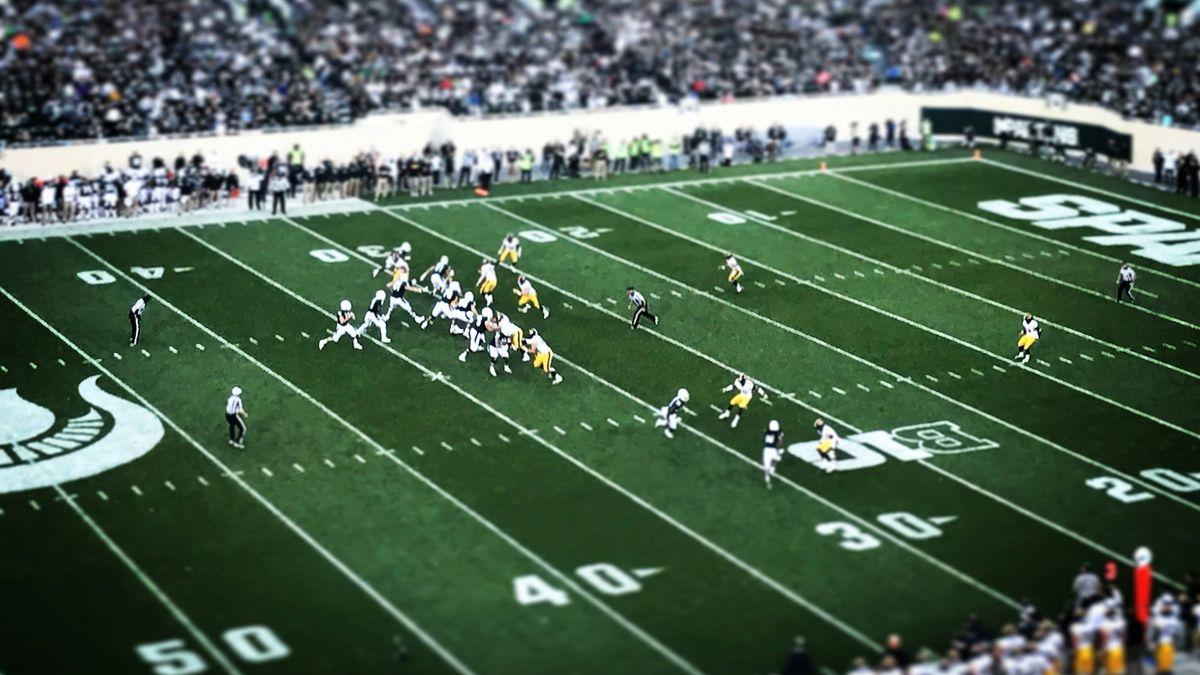
The offensive side starts with the quarterback, who takes the snap and directs the play, either handing off, throwing, or running it himself. Behind him, running backs carry the ball on rushing plays and also catch passes out of the backfield, while a fullback, when a team uses one, primarily blocks and rarely touches the ball.
Wide receivers line up split from the formation and are the primary passing targets, with roles that vary by position — an outside receiver often battles press coverage at the line, while a slot receiver lines up inside and typically works shorter, quicker routes against different defenders.
Tight ends split their job between blocking like a lineman and running routes like a receiver, and the balance between those two duties varies enormously by scheme.
The offensive line consists of five players: the center, who snaps the ball and calls out protection adjustments; two guards on either side of him; and two tackles on the outside edges, whose main job is protecting the quarterback's blind side and sealing running lanes.
None of them typically touch the ball, but games are frequently decided by how well this unit performs, even though it draws far less attention than the skill positions.
Defense: Stopping the Ball
Defensive linemen line up across from the offensive line and are split into tackles, who occupy the interior and try to stop the run or collapse the pocket, and ends, who rush the passer from the edges.
Behind them, linebackers are the most varied position group on the field — some drop into pass coverage, some blitz the quarterback, and all of them are expected to be strong run defenders reading the play as it develops.
The secondary is made up of cornerbacks, who typically cover wide receivers one-on-one, and safeties, who play deeper and are the last line of defense against long passes while also helping in run support.
A defense's identity often comes down to how it balances these groups — a scheme built around pressuring the quarterback with the front four looks very different from one that blitzes frequently with linebackers and defensive backs.
Special Teams: The Overlooked Third Phase
Special teams get a fraction of the attention but decide field position, which quietly shapes a large share of outcomes. The key roles include:
- Kicker — handles field goals and extra points, and often kickoffs depending on team preference.
- Punter — kicks the ball away on fourth down to flip field position when a team is not attempting a first down or a field goal.
- Long snapper — a specialist whose only job is snapping accurately on punts and kicks, a role so specific that teams carry a player solely for it.
- Return specialists — often a running back or receiver, tasked with advancing the ball on kickoffs or punts.
- Gunners and coverage players — sprint downfield to tackle the returner, a physically demanding job usually filled by backup receivers and defensive backs.
Why Depth Matters, Not Just Starters
The real value of a depth chart is in what sits below the first name at each position. Injuries are constant in football, and how a team's second- and third-string players compare to the starters often determines whether a season survives a rough patch.
A team can have an excellent starting quarterback but be in serious trouble the moment he is hurt if the backup is unproven, while a team with a shakier starter but strong depth across the roster may be more resilient over a long season.
Depth charts also reveal roster philosophy. Teams that value versatility often list players capable of moving between positions, while teams built around a specific scheme tend to have narrower, more specialized depth at certain spots. Learning to read a depth chart, in other words, is really learning to read a team's structure and its risk tolerance heading into the season.
Article Was Generated By AI.