Pressing Explained: How Modern Soccer Teams Win the Ball Back
A clear guide to soccer pressing, why teams use it, and how to spot the difference between high, mid and low blocks while watching.
Defending doesn't start when you lose the ball
For much of soccer's early history, defending was largely thought of as something a team did once possession had been lost and opponents were advancing toward goal. Modern pressing turns that idea on its head.
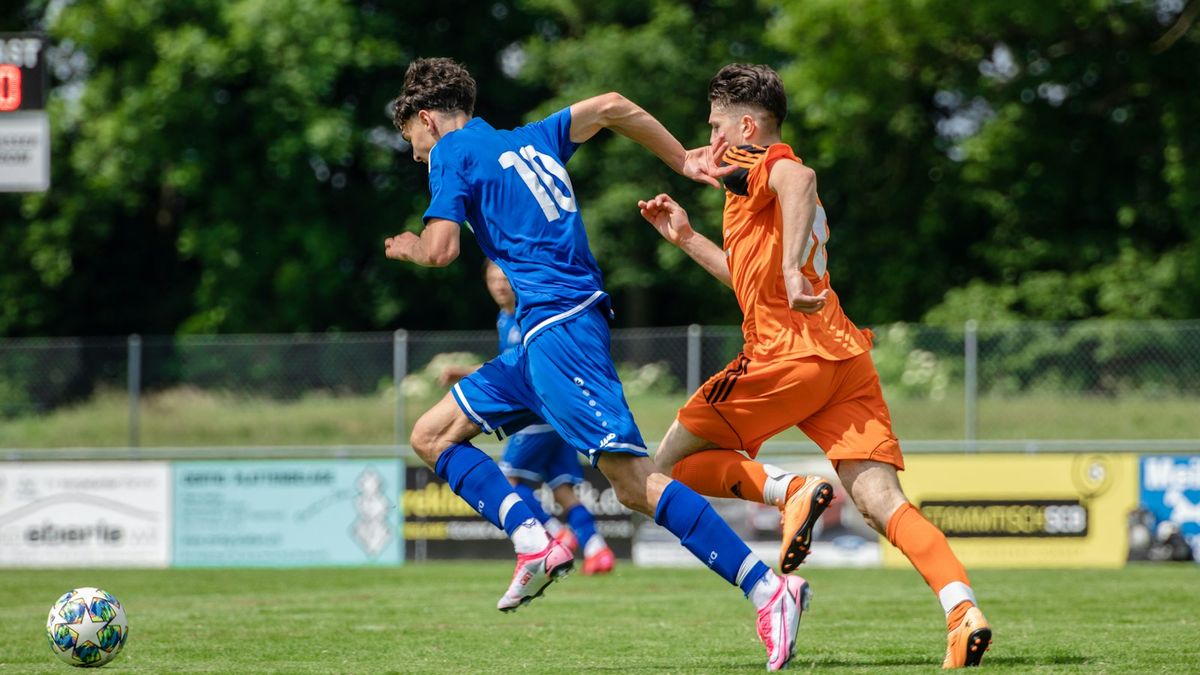
Rather than waiting passively, a pressing team tries to win the ball back as quickly and as high up the pitch as possible, often within seconds of losing it, by aggressively closing down the opponent's passing options.
This shift has changed how soccer is coached at every level, from youth academies to the top professional leagues, because it treats the moment right after losing possession as one of the most valuable phases of the entire game.
The basic idea behind pressing
Pressing works by limiting the time and space an opponent has on the ball. When several players close in on the ball carrier and cut off their passing lanes simultaneously, the player in possession is forced into rushed decisions, mistimed passes, or simply losing control under pressure.
A well-organised press isn't about one player sprinting at the ball alone, it's a coordinated pattern where teammates cover passing lanes while one player pressures the ball directly.
The reward for a successful press can be significant. Winning the ball back near the opponent's goal often creates a scoring chance far more quickly than building an attack patiently from deep in your own half.
High press, mid block, and low block
Teams generally choose one of three broad defensive shapes, depending on their game plan, their squad's physical profile, and the score at any given moment.
A high press sees a team push players far up the pitch, sometimes pressuring the opposing goalkeeper and defenders as soon as they have the ball, aiming to force mistakes in dangerous areas close to goal. This approach can be devastating when it works, but it also leaves more space behind the defensive line, which quick opponents can exploit if they manage to play through the initial pressure.
A mid block keeps the team more compact, generally allowing the opposition some possession in their own half but pressing more intensely once the ball enters the middle third of the pitch. This is often seen as a balance between aggression and defensive solidity.
A low block sees a team retreat closer to their own goal, inviting the opposition forward before compressing space and pressing only once the attacking team gets close to the penalty area. Low blocks are frequently used by teams protecting a lead or facing a technically superior opponent, prioritising defensive organisation over winning the ball back early.
Triggers that start a press
Rather than pressing constantly, well-coached teams look for specific moments, often called triggers, to launch a coordinated press. Common triggers include:
- A backward or sideways pass, since the receiving player has less time to turn and see the whole pitch.
- A poor first touch by an opponent that pushes the ball slightly away from their body.
- The ball being played to a weaker-footed player or a player known for being less comfortable under pressure.
- A pass into a wide area near the touchline, where the pitch itself acts like an extra defender by limiting passing angles.
Recognising these triggers helps a team press efficiently rather than chasing the ball aimlessly, which would quickly exhaust players physically.
The physical and tactical cost
Pressing intensely for long periods is physically demanding, requiring excellent fitness and disciplined positioning from every outfield player, not just forwards. A team that presses without the right structure risks being pulled out of position, leaving gaps that a composed opponent can exploit with a single accurate pass over or through the press.
This is why counter-pressing, the practice of immediately trying to win the ball back in the seconds right after losing it, has become such a valued skill. The team is already well-positioned in advanced areas at that moment, so a quick, coordinated press can regain possession before the opponent has organised their own attack.
What to look for as a viewer
Watching pressing in action becomes far more enjoyable once you know what to look for. Notice how many players close in when the ball reaches a defender, watch whether wide players tuck in to cut off passing lanes, and pay attention to what happens in the five seconds right after a team loses possession.
A team that immediately surrounds the ball and forces a rushed clearance is showing you organised pressing at work, while a team that jogs back into shape is more likely playing a mid or low block by design.
Pressing is a choice, not a universal rule
It's worth remembering that pressing intensity is a tactical decision suited to a team's strengths, not an objectively superior approach for every side. Teams with less physically dynamic squads, or those managing fatigue across a long season, often choose a lower, more conservative block deliberately, and that can be just as effective when executed with discipline.
Understanding pressing, in all its variations, is one of the most useful lenses for appreciating the tactical depth hiding beneath the surface of a soccer match.
Article Was Generated By AI.