Getting Started with Trail Running: Gear, Pacing and Safety
A beginner's guide to trail running covering essential gear, how to pace yourself on uneven terrain, and core safety habits.
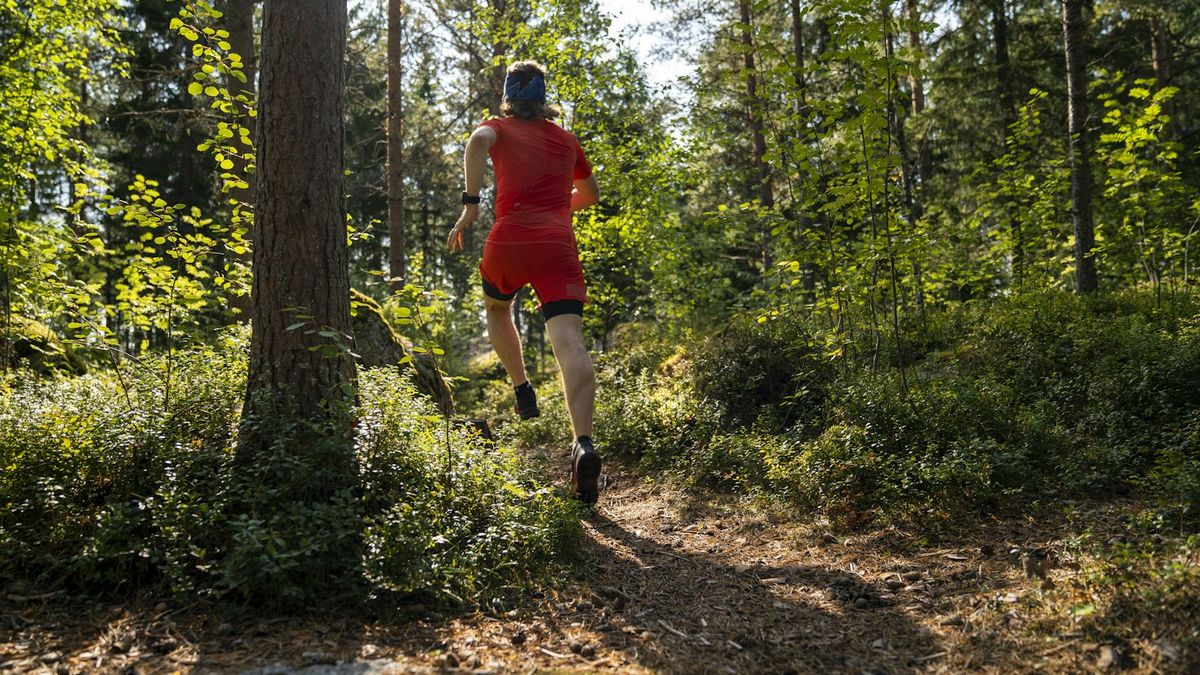
Why Trail Running Feels Different From Road Running
If you've only ever run on pavement, your first trail run will surprise you. Even an easy, flat-looking trail demands more attention than a sidewalk: roots, loose rock, mud, and camber all change how your foot lands from one stride to the next.
Your pace will naturally slow down, your heart rate will climb faster on the same perceived effort, and your ankles and stabilizing muscles will feel worked in ways road running rarely reaches. None of this means you're doing it wrong. It means trail running is genuinely a different activity, and adjusting your expectations early makes the transition far more enjoyable.
Choosing the Right Trail to Start On
Start easier than you think you need to. A well-maintained, clearly marked trail with moderate elevation change is a much better first outing than a rugged single-track route with steep drops or technical rock scrambling.
Look for trails described as "beginner" or "easy" on trail apps or park websites, and check recent trip reports if available, since conditions like mud or fallen trees can change a trail's difficulty significantly between seasons.
It also helps to run a trail you've already hiked. Familiarity with the terrain, junctions, and rough footing takes one variable out of the equation while you're still learning how your body handles trail-specific effort.
Essential Gear for Beginners
You don't need to buy everything at once, but a few items make a real difference to both comfort and safety.
- Trail running shoes. These have more aggressive tread than road shoes and often a firmer, more protective sole to shield your foot from rocks and roots. They're the single highest-value purchase for anyone taking trail running seriously.
- Moisture-wicking socks. Cotton socks hold moisture and cause blisters far more readily on uneven, sweaty trail terrain than on a flat road.
- A hydration vest or handheld bottle. Trails often don't have water fountains, and runs tend to take longer than expected due to slower pace, so carrying your own water becomes important even on moderate distances.
- A lightweight, packable layer. Weather changes faster in exposed or elevated terrain, and shade cover can shift the temperature noticeably as you move through a route.
- A basic first-aid item or two, such as an adhesive bandage and blister tape, tucked into a vest pocket.
- A charged phone with the trail map downloaded offline, since cell service is unreliable in many wooded or mountainous areas.
Pacing Yourself on Uneven Terrain
One of the biggest adjustments for new trail runners is accepting that pace, as measured in minutes per mile or kilometer, stops being a useful metric on technical terrain. Effort level matters far more than speed.
It's completely normal, and expected, to walk sections of steep uphill even among experienced trail runners; power-hiking uphill is often faster and more efficient than trying to run it, and it saves your legs for the descent.
A useful habit for beginners is to run by feel rather than by a set pace goal. If your breathing gets labored on a climb, slow to a hike.
On technical downhills, shorten your stride and let your feet land more often rather than taking long, fast strides that increase your risk of rolling an ankle. Over time, your body develops a much better sense of how to read terrain and adjust cadence automatically, but that skill takes real repetition to build.
Reading the Trail Ahead
Trail running rewards a slightly different kind of attention than road running. Instead of zoning out, experienced trail runners keep their eyes scanning a few strides ahead, picking a rough line through roots and rocks before their foot actually gets there.
This becomes more natural with practice, but in the beginning it helps to consciously remind yourself to look ahead rather than down at your immediate footing, since looking too close in front of your feet gives you less time to react.
Safety Habits Worth Building From Day One
- Tell someone your route and expected return time. This matters even on popular, well-trafficked trails, and it's one of the simplest habits that meaningfully improves safety.
- Carry more water than you think you'll need. Trail runs consistently take longer than planned, especially early on.
- Check the weather and trail conditions before you go, including recent reports of storms, flooding, or wildlife activity in the area.
- Know the basics of the terrain you're entering, including whether the area has any wildlife you should be aware of, and how locals typically handle encounters.
- Run with a buddy when trying a new or more remote trail, particularly if you're new to the sport.
- Carry ID and a whistle. Both are small, low-effort additions that can matter a great deal if something goes wrong.
Building Up Gradually
Resist the urge to jump straight into long or highly technical routes. Trail running places more strain on stabilizing muscles, tendons, and joints than most runners expect, and building that resilience takes weeks, not days.
A sensible approach is to increase distance or technical difficulty in small steps, giving your body time to adapt, and to include rest days that allow those smaller stabilizing muscles to recover along with the bigger ones you're used to training.
A Sport That Rewards Patience
Trail running has a learning curve, but it's a forgiving one if you start on manageable terrain, respect the terrain's demands on your pacing, and build up your gear and mileage gradually.
The reward is access to routes and views that road running simply can't offer, along with a kind of full-body engagement that many runners find far more satisfying than repetitive pavement miles. Always check current conditions, permits, or access restrictions for any trail or park before heading out, since these can change with the season.
Article Was Generated By AI.