The Art of Spin Bowling: Grips, Variations and Field Settings
An introduction to how spin bowlers grip, deceive and set fields, and why patience is their greatest weapon in cricket.
A different kind of threat
Fast bowlers rely on raw pace to unsettle batters, but spin bowlers work a slower, more patient craft, using finger and wrist movement to make the ball deviate off the pitch in ways that are hard to read.
Where a fast bowler might beat a batter with speed alone, a spinner aims to beat them with deception, disguising which way the ball will turn until it's too late for the batter to adjust their shot.
Spin bowling has produced some of the sport's most admired practitioners, precisely because success depends less on physical power and more on control, variation, and understanding of match situations.
The two broad families of spin
Spin bowling splits into two main categories based on which hand and which part of the fingers or wrist does the work.
Finger spin is bowled by rotating the fingers across the seam as the ball is released, most commonly producing off-spin, where the ball turns from off to leg for a right-handed batter when delivered by a right-arm bowler. Finger spinners tend to rely on tight control of length and subtle variations in pace and flight rather than dramatic amounts of turn.
Wrist spin uses a more pronounced twist of the wrist at the point of release, producing leg-spin for a right-arm bowler, where the ball turns away from a right-handed batter. Wrist spin generally produces sharper turn and bounce but is harder to control consistently, which is why leg-spinners are often seen as a slightly higher-risk, higher-reward option compared to finger spinners.
Left-arm versions of both exist too, with the ball turning in the opposite direction relative to a right-handed batter, which is part of why left-arm spinners are often used to break up a bowling attack and create fresh angles.
Grips and how they create turn
The exact grip a bowler uses changes how much the seam rotates and in which direction, which in turn determines how sharply the ball turns off the pitch.
A finger spinner typically holds the ball with the first two fingers spread across the seam, rolling the fingers down and across at release. A wrist spinner instead cocks the wrist backward, then snaps it forward and across the body, imparting much more rotation on the ball.
Because these grips are quite specific, small changes, sometimes barely noticeable to a viewer, allow a skilled spinner to disguise which delivery is coming. This is the foundation of what makes spin bowling such a psychological battle between bowler and batter.
Common variations spinners use
Beyond their stock delivery, most spinners develop one or more variations to keep batters guessing:
- The arm ball, which looks like a normal delivery but travels straighter on, without turning, catching out batters who play for spin that never arrives.
- The googly, bowled by wrist spinners, which looks identical to their normal delivery in the hand but turns the opposite way once it pitches.
- The doosra, a variation for finger spinners that also turns the opposite way to their stock ball, though it is technically demanding and less commonly seen due to strict regulations on elbow extension during bowling actions.
- Changes of pace and flight, where a spinner varies how much air the ball is given, tempting a batter into misjudging the length and either playing too early or too late.
The best spinners rarely rely on turn alone. They build pressure by repeatedly asking the batter to solve a slightly different puzzle each ball.
Setting the field for spin
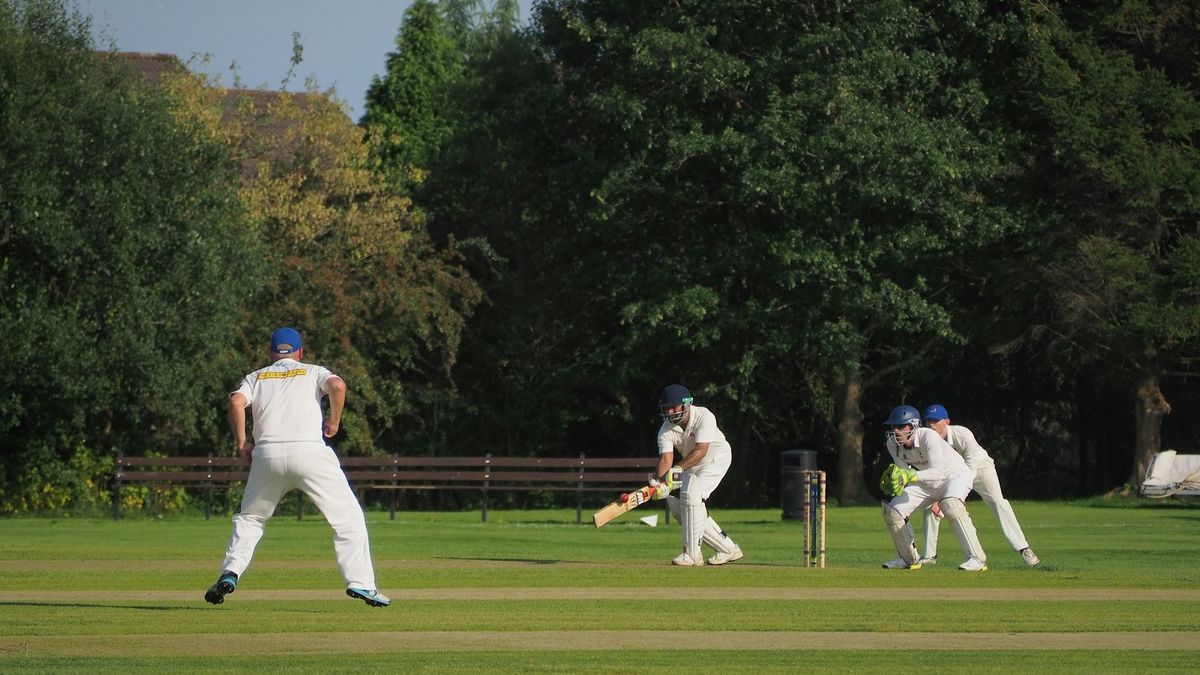
Because spin bowling is about patience and building pressure over many overs, field settings for spinners look quite different from those for fast bowlers. Captains often place close catching fielders, sometimes called a slip, a short leg, or a silly point depending on their exact position, hoping to catch a mistimed shot as the batter tries to work out the turn.
At the same time, a spinner's field needs to protect against the batter using their feet to reach the pitch of the ball and hit over the top, so a couple of fielders are usually kept out on the boundary in the areas where an attacking batter is most likely to target.
Balancing attacking catchers close in with defensive fielders further out is one of the more nuanced parts of captaincy against a good spin bowler.
Why conditions matter so much to spinners
Spin bowlers depend heavily on surface conditions. A dry pitch that grips the ball, particularly one that has started to wear or crack, gives a spinner far more to work with than a hard, true surface with little wear. This is part of why spinners often become more influential as a match progresses, especially in the longer formats where a pitch has days to deteriorate.
Patience as the defining skill
Perhaps the single most important trait for a spin bowler is patience. Unlike a fast bowler who might extract movement from a single ball through sheer pace, a spinner often has to bowl over after over probing a batter's technique, building pressure through consistent length before an opportunity for a wicket appears.
Watching a skilled spinner construct that pressure, delivery by delivery, is one of the quieter but most rewarding pleasures of following the game closely.
Article Was Generated By AI.