Planning a Trip Around a Test Match: A Cricket Traveler's Guide
Test cricket rewards patient travelers, here's how to plan a multi-day trip around the longest form of the game.
Understanding What You're Actually Planning Around
Test cricket is the longest format of the sport, played over up to five days, with each day typically split into three sessions separated by breaks for lunch and tea. Unlike a single-day event, a Test match is really a multi-day happening, which changes how you should think about travel around it entirely.
You're not booking a trip around one afternoon; you're booking around a work-week-length event that may or may not even finish on the final scheduled day, since a match can end early if one team wins decisively, or fail to produce a winner at all if time runs out first. Building your trip with that uncertainty in mind is the single most important planning principle.
Choosing Which Days to Attend
Few traveling fans attend all five days, both for cost reasons and because the rhythm of the match changes noticeably as it progresses. Early days tend to feature more cautious batting as teams settle in, while later days often bring more decisive, tactically sharp cricket as a result becomes more likely.
If you can only pick a couple of days, days three through five generally offer the best chance of watching a match reach a meaningful conclusion, though there's no guarantee, some matches stay balanced and slow throughout.
If watching a result unfold matters more to you than simply experiencing the atmosphere, lean toward later days; if you mainly want the full ritual and atmosphere of a Test match day regardless of where the game stands, an early day works just as well.
Booking Tickets and Accommodation
Test match tickets are typically sold on a per-day basis rather than for the whole match, which gives you flexibility to attend only the days you choose. Grounds hosting major Test matches often release tickets well ahead of the match itself, and popular fixtures, especially long-standing rivalries, can sell out particular days quickly.
Booking accommodation near the ground or on convenient transit lines matters more for cricket than for shorter sporting events, since you'll likely be commuting to the same venue on consecutive days, and a longer commute becomes more tiring when repeated daily.
What a Day at the Ground Actually Looks Like
A full day of Test cricket typically runs across a scheduled window of around six hours of playing time, split by a lunch interval and a shorter tea interval, though exact timings vary by country and can shift for weather or bad light.
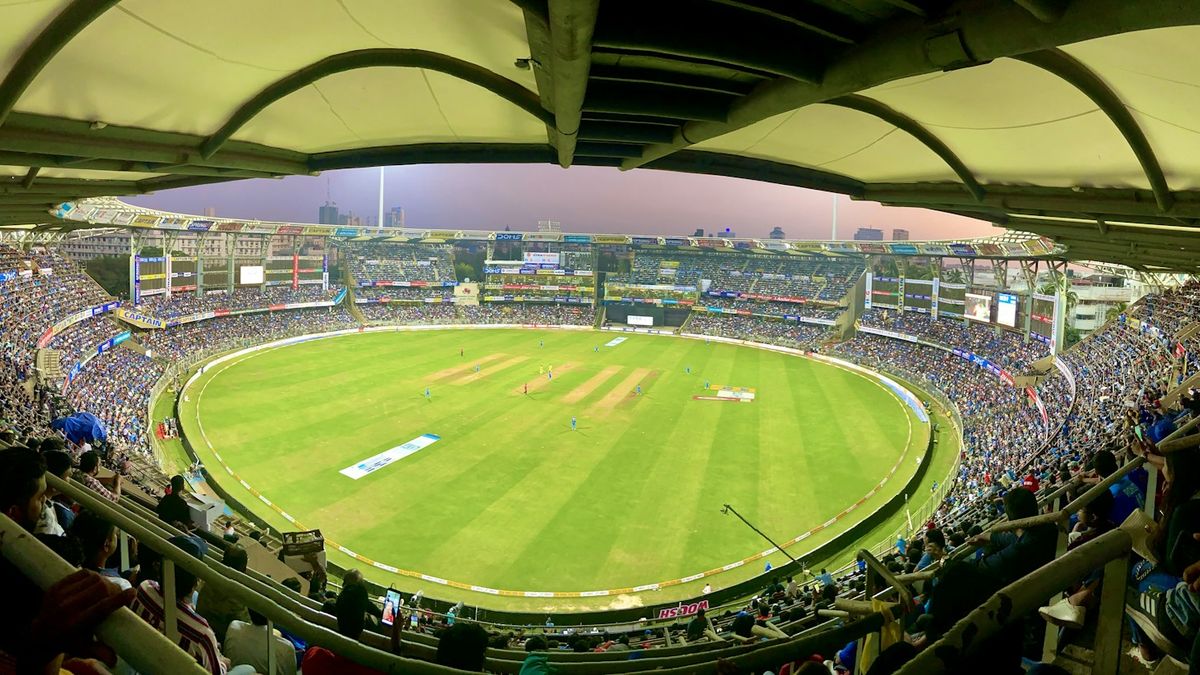
Many grounds allow spectators to come and go during the breaks, and some historic grounds have long-standing traditions around specific stands or sections known for particular kinds of atmosphere, from quiet, traditional viewing areas to livelier sections with music and chanting. It's worth researching the specific ground's culture before choosing where to sit, since the experience can vary dramatically within the same stadium.
Practical Advice for Multi-Day Attendance
Attending several consecutive days of the same match is a different kind of physical and logistical commitment than a single sporting event, and a bit of preparation goes a long way:
- Pack for changeable weather each day rather than relying on a single forecast, since conditions can shift meaningfully across a working week.
- Bring sun protection and a hat regardless of season or location, since day sessions involve hours outdoors even under cloud cover.
- Check each ground's policy on bringing in food, drink, and bags, as rules vary significantly between countries and even between grounds in the same country.
- Plan a rest activity for at least one evening if you're there multiple days; back-to-back full match days plus late nights can be more tiring than expected.
- Keep an eye on the match's progress even on days you're not attending, since a Test finishing early can free up time you didn't expect to have.
Building the Rest of Your Trip Around the Match
Because Test matches run for days but rarely fill every hour, they pair well with a broader travel itinerary rather than standing alone as the entire trip. Many traveling fans use the lunch and tea intervals, plus any non-attendance days, to explore the host city, and use the possibility of an early finish as a reason to keep the days immediately following the match flexible rather than tightly scheduled.
If the match is part of a longer series, it's also worth checking whether other matches in the same series are being played in different cities, since some cricket-following travelers structure entire trips around following a series across multiple grounds and cities rather than a single match.
The Payoff for Patient Planning
Test cricket doesn't reward a rushed itinerary, but it rewards travelers who build in enough time and flexibility to let a match unfold at its own pace.
The uncertainty that makes rigid planning tricky is the same quality that gives Test cricket its particular drama, a match that looks settled on day two can turn completely by day four. Approaching the trip with patience, and a loosely structured schedule around it, tends to produce the most satisfying experience for first-time attendees and longtime fans alike.
Article Was Generated By AI.