Stadium Tours Worth Taking: What to Expect Behind the Scenes
A practical guide to stadium tours, from what you'll actually see backstage to how to pick a tour worth your time and money.

Why Stadium Tours Are Worth Building Into a Trip
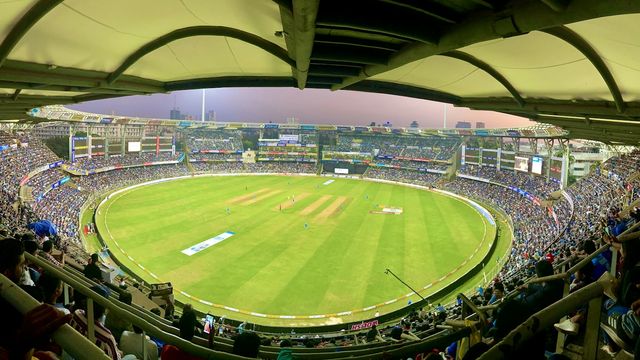
A stadium looks completely different once the crowd is gone. Without 50,000 people roaring around you, you notice the scale of the roof trusses, the sightlines from odd corners of the upper deck, and just how far the players actually walk from locker room to pitch or field.
A good tour turns a building you've only seen on television into something you understand physically, which is part of why stadium tours have become a fixture of sports travel itineraries rather than an afterthought.
They also solve a scheduling problem. Not every trip lines up with a home game, and tickets for marquee fixtures can be difficult to get or expensive at short notice. A tour lets you experience the venue and often gets you closer to areas that ticket holders on game day never see at all.
What a Typical Tour Actually Covers
Most stadium tours follow a similar shape, even though the specific stops vary by venue and sport:
- A walk through the media zone, including the press conference room where you can usually sit at the same table as the athletes
- Access to one or both locker rooms, sometimes including the home team's only, depending on the venue's policy
- The players' tunnel and a walk out onto or near the pitch, court, or field itself
- A look at a private box or hospitality suite
- Some history: trophy cabinets, retired jerseys, or a small museum area
The exact route depends heavily on whether the venue has an event scheduled that day. Groundskeeping, broadcast setup, or a concert load-in can close off sections with little notice, so tours are often adjusted on the fly by the guide. This is normal and not a sign of a badly run operation.
Guided Versus Self-Paced Tours
Larger stadiums increasingly offer a choice between a guided walking tour with a fixed group and start time, and a self-guided audio tour you complete at your own pace.
Guided tours tend to include areas that are locked or supervised, like locker rooms, and the guide can answer questions and share stories that don't appear on any plaque. Self-guided tours are more flexible if you're short on time or traveling with young kids who don't want to stand still for an explanation.
If the venue offers both, guided is usually the better pick for a first visit, since a live guide will flag details you'd otherwise walk past.
Timing Your Visit
A few timing considerations matter more for stadium tours than for most attractions:
Match days and event days. Tours are frequently cancelled, shortened, or rerouted on days with a scheduled event, sometimes with only a day or two of notice. If seeing a specific area (like the pitch) matters to you, a non-event day is generally the safer bet.
Renovation and off-season work. Stadiums often use quieter periods for maintenance, pitch relaying, or facility upgrades, which can mean sections are closed for weeks at a time. Always check the official tour page close to your visit rather than relying on older reviews or blog posts, since availability changes season to season.
Time of day. Morning tours are usually calmer and cooler if the stadium is outdoors, while afternoon slots can be busier with school groups or other visitors.
Booking Tips
Popular stadiums, particularly ones tied to storied clubs or major franchises, can sell out tour slots well in advance, especially around weekends and holidays. Booking directly through the venue's official website is almost always cheaper and more reliable than third-party resale sites, which sometimes mark up prices substantially or resell tours that don't exist. If a combined tour-and-museum ticket is offered, it's usually better value than paying for each separately.
Bring a form of photo ID if the venue requires bag checks or security screening, which is standard at most modern stadiums. Comfortable shoes matter more than you'd expect, since tours frequently involve stairs, long corridors, and standing for extended stretches while the guide talks.
Getting the Most Out of the Experience
A few habits make a real difference to how much you take away from a tour:
- Ask the guide questions, even ones that feel basic. Guides usually have far more stories than the standard script and will share them if prompted.
- Photograph the sightline from your usual seating section, if you know it, so you can compare the "player's eye view" to your own.
- Pay attention to details easy to miss on television, like the slope of a pitch, the width of a tunnel, or how close the front row really is to the action.
- If traveling with a group, split up briefly during any free-roam segment so everyone can linger over what interests them personally.
Is a Stadium Tour Worth the Money?
For fans of the specific team or sport, almost always yes. The value comes less from novelty and more from the sense of scale and access you can't get any other way, short of an actual playing career.
For casual travelers just passing through a city, it's worth checking whether the tour price and duration fit your itinerary, since some tours run well over an hour and eat into a day of sightseeing elsewhere.
Whichever venue you're visiting, check the official website close to your travel dates for current pricing, tour lengths, and any closures, since these details shift often and vary widely by stadium.
Article Was Generated By AI.